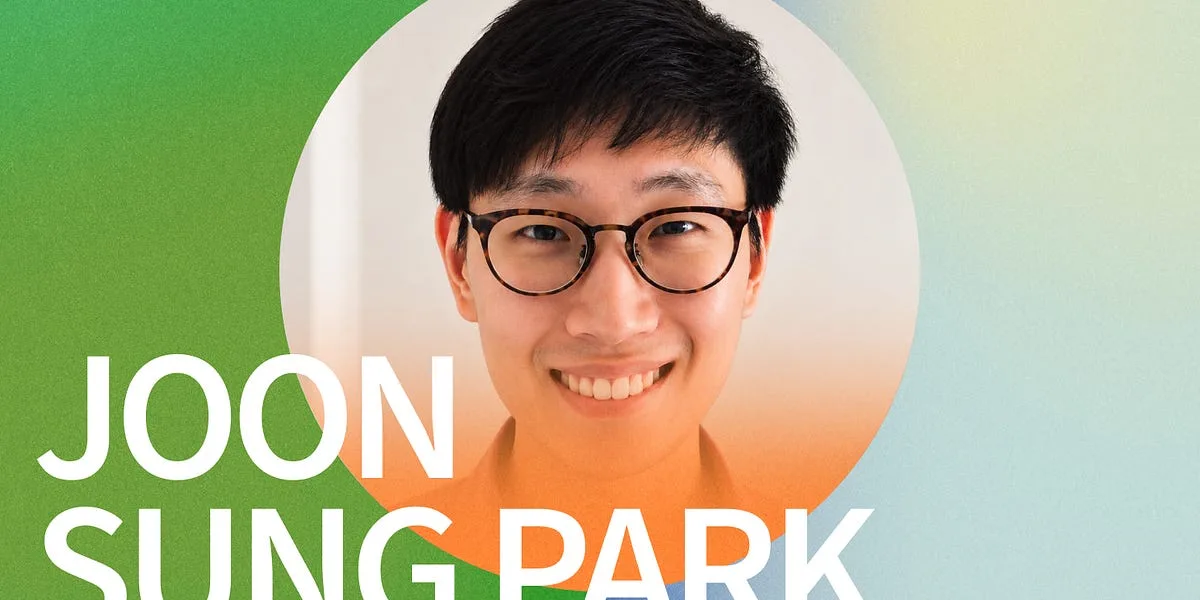
A Simile nevű, alkalmazott mesterséges intelligenciával foglalkozó startup digitális ikreket hoz létre valós személyekről és népességcsoportokról. A cég állítása szerint ezzel több mint 85 százalékos pontossággal tudják előre jelezni az emberi viselkedést. Az alapító Joon Sung Parknak, aki korábban a Stanford Egyetemen generatív AI-ágensek szimulációit kutatta, a teljes emberi viselkedés átfogó modellezése a célja.
A rendszer lehetséges piaci döntések, árképzési változtatások vagy új szabályozások hatásait képes tesztelni szimulált felhasználókkal. Olyan nagyvállalatok használhatják a technológiát, mint a CVS Health a páciensek reakcióinak felmérésére, vagy pénzintézetek a banki díjak módosítása előtt. A távolabbi cél az összetett globális problémák megoldási útvonalainak szimulációja.
A vállalkozás iránti nagy befektetői érdeklődést jelzi, hogy a Simile eddig több mint 300 millió dollár tőkét vont be, amivel a cég értékeltsége elérte a 2 milliárd dollárt.
Az eredeti szöveg (The Generalist)
“In any truly advanced civilization that gets depicted [in science fiction], you really see two pillars of scientific progress. One is some form of AGI, and the other a simulation. And I was always more drawn to the idea of simulation.” – Joon Sung Park, Co-Founder and CEO of Simile
Before Joon Sung Park and I had ever met, he simulated the conversation. What questions would Mario, or a person like Mario, ask him? What would I find most interesting to dig into? I do not know how closely I adhered to my facsimile, though I wish I did.
Joon has an advantage in rehearsing these encounters, and thousands of others. He is the Co-founder and CEO of Simile, an applied AI company building a foundation model of human behavior. That involves creating digital twins of real people – like a writer or podcaster – and simulating how they might react to certain circumstances. As you might imagine, that’s an attractive proposition for many companies: CVS Health, for instance, can test a new pricing policy against thousands of simulated patients. A bank can model how customers will react before announcing a fee change. Joon’s ambitions stretch far beyond these cases, though, and Simile has raised more than $300 million, most recently at a $2 billion valuation, to pursue them.
The portrait artist always paints themselves. I loved this line from Joon, who happens to be a gifted painter in his own right. When apprehending a piece of art – whatever the medium – I can sometimes forget to consider what it tells us about the author rather than the subject.
“Emotional rigor.” Another phrase of Joon’s that I’ve been sitting with. This was how he described the intensity one needs to build to paint a beautiful painting of someone. You need to build this deep, rigorous connection. This is a universal lesson, I think, and especially true in writing.
Contradictory superpowers. Another really sharp heuristic (can you tell I enjoyed this conversation quite a lot?). When it comes to hiring, this is what Joon looks for: someone with two strengths that rarely go together. For example, a colleague with deep scientific seriousness and a very playful side.
Working backwards. Joon’s ultimate goal is not to give Simile a question and have it make a prediction. It is to give a “wicked” problem like climate change and have it simulate a superabundance of possible paths to help us find the best one.
Who wins when everything is predictable? If simulation becomes as ubiquitous as Simile suggests it might, how do companies compete with one another? Is “strategy,” as a broad discipline, solved? Joon pointed to a few thoughts on where edge might still live – namely in point of view, proprietary data, and compute. Now, this is just a thought experiment, of course. But two of those three presumably redound to the world’s best-resourced companies, which is far from ideal.
Listen on YouTube • Spotify • Apple Podcasts
When I asked Joon what book he'd assign to everyone, he named The Catcher in the Rye, which he first read at around 14 or 15. He was careful to say that the books that matter most are deeply personal, but Holden Caulfield's visceral portrait of a young mind stuck with him. Earlier in our conversation, he also pointed to Asimov's Foundation series as a core inspiration for Simile, and particularly the idea of psychohistory: giving a simulator a desired end state and working backwards to find the path there.
What I’m reading, watching, and into this week:
Jon Ronson has a new book out, The Castle. I’m only a few pages in, but given that I’ve loved all of his other bizarre, freewheeling investigations, I suspect I’ll like it quite a bit.
Grok Bot is really very good at this point. I suspect this form factor – persistent, proactive, task-specific bots overseen by an orchestrator – will become the default for professional work. It’s the closest thing to having a collection of digital coworkers.
03:14 Learning to predict human behavior
04:33 From Schelling’s