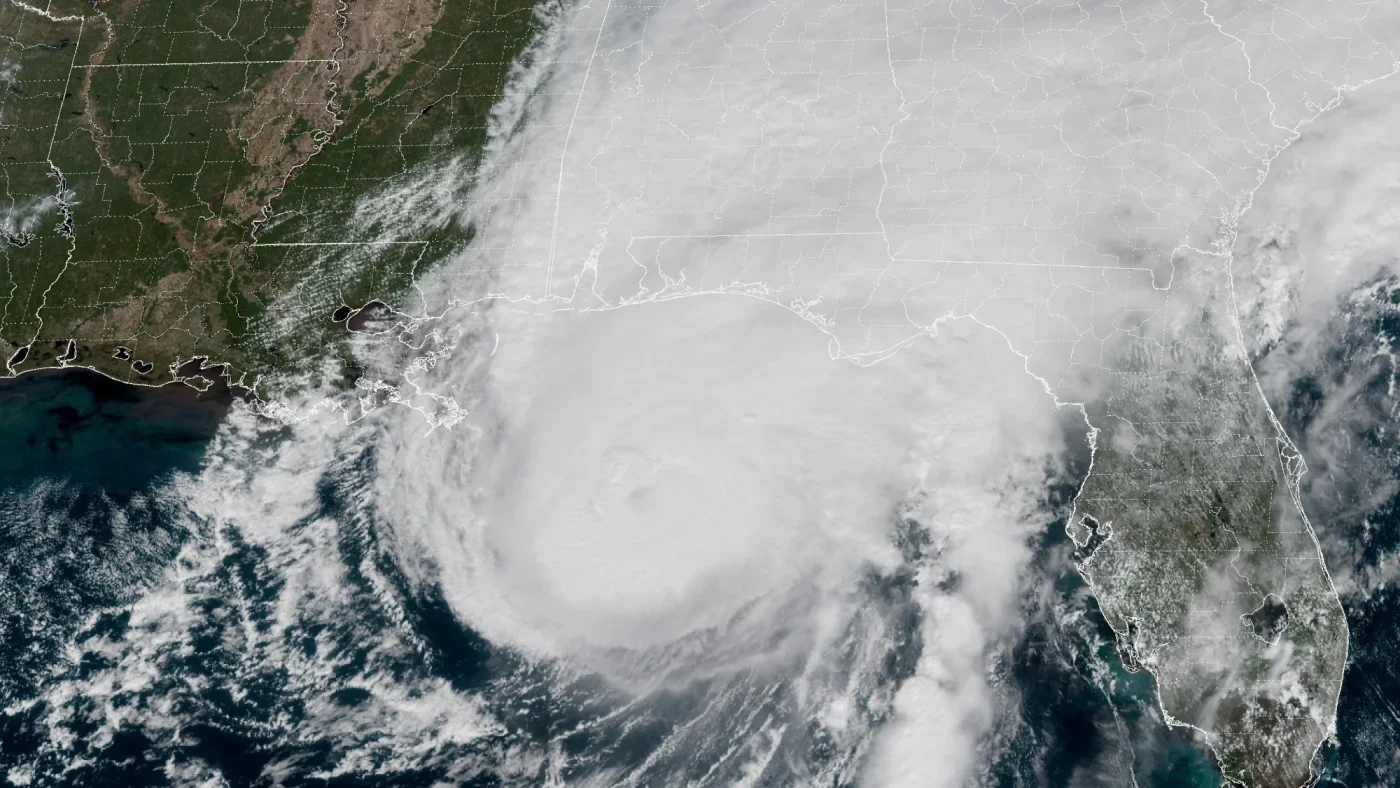
A hagyományos meteorológiai modellekkel szemben a Google DeepMind mesterséges intelligenciája sikeresen előrejelezte az Isaias hurrikán pontos földet érési helyét Florida nyugati részén. Míg a megszokott fizikai modellek jóval nyugatabbra várták a vihart, az AI-rendszer már a kezdetektől a pontos helyszínt mutatta. Az Amerikai Nemzeti Hurrikánközpont (NHC) szakértői szerint az eszköz rendkívül gyorsan a legjobban teljesítő számítógépes modellé vált.
A hagyományos módszerek fizikai egyenletekkel és valós idejű légköri adatokkal dolgoznak, míg az AI-modell több ezer korábbi vihar adataiból és mintázataiból tanul. Az újhullámos neurális hálózatok alkalmazása előrelépést hozott az útvonal meghatározásában, bár a vihar erősségének és intenzitásának becslésében még finomításra szorul a rendszer.
A meteorológusok kiemelik, hogy az AI-fejlesztések sebessége páratlan: ami a hagyományos modelleknél 10 évig tartott, az az AI esetében néhány hónap alatt megvalósul. A szakemberek nem az emberi munka kiváltását, hanem a hatékonyabb lakossági figyelmeztetést segítő eszközt látják benne.
Az eredeti szöveg (NPR)
A satellite image provided by the National Oceanic and Atmospheric Administration (NOAA) shows Hurricane Isaias approaching the Gulf Coast of Alabama and Florida on Friday, Oct. 9 2026. NOAA/NOAA hide caption
Hurricane forecasters are increasingly using artificial intelligence to make predictions — and they say the technology is rapidly transforming the field.
When the first hurricane of the Atlantic season formed this month, an AI model beat out traditional models at predicting where it would go.
In early October, Hurricane Isaias made landfall near Destin, Fla., as a Category 2 storm. Conventional forecasting models initially predicted it would head further west, toward southeastern Louisiana.
But Google DeepMind's artificial intelligence model called it right out of the gate: the hurricane was going to hit the western Florida Panhandle.
"Google DeepMind, in particular, has really proven itself the last few years as the gold standard model," says Michael Lowry, a longtime meteorologist and hurricane expert in Miami, who has previously advised both the Federal Emergency Management Agency and the National Hurricane Center (NHC).
"That model has been, by far and away, the best performing computer model that we've ever seen. Period."
The National Hurricane Center first started incorporating the Google DeepMind model into its official forecasts last year.
By the end of the 2025 Atlantic hurricane season, it was already one of the best at predicting a storm's path and strength, says Brian McNoldy, a hurricane researcher for the University of Miami.
Usually, new models take years to refine after first being introduced.
"It's something we're not used to – to have a model, the new kid on the block, very quickly becoming the best model out there," McNoldy says. "This pretty much came out of the gate in first place, and that's a pretty impressive feat."
Traditional physics-based hurricane models use real-time atmospheric data, like temperature, humidity, pressure and wind shear, as measured by satellites and aircraft. Then they use complicated equations to predict what path a storm might travel and how strong it could get.
An AI model operates very differently: it relies more on history. It identifies patterns by analyzing thousands of past storms along with atmospheric data.
"The AI models don't really know anything about the atmosphere other than the current picture," Lowry says. "Beyond that, it's not leaning on the governing equations of the atmosphere, the physics, to make predictions."
Most of the people designing and developing these models aren't even meteorologists, Lowry notes: "They're software engineers, and they're developing neural networks."
A "neural network" is a set of computer algorithms modeled on the human brain and trained to find patterns in massive amounts of data.
As a result, the models can seem like a "black box," Lowry says: "We don't know why they might get a forecast right. We also don't know why they might get a forecast wrong."
It can be unsettling for meteorologists to depend on a system they don't totally understand – especially during storms when millions of people might be relying on their forecasts.
"It makes us a little uncomfortable, because we like to know why you're getting the right answer," McNoldy says. "And I feel like we don't – or at least I don't know why."
Not all AI models have performed well, though. There are lots of unproven weather forecasting AI models out there, Lowry says.
The two that have so far proven to be the most accurate, despite some pitfalls, are the models developed by Google DeepMind and by the U.K.-based European Centre for Medium-Range Weather Forecasts (ECMWF).
People retrieve belongings from a collapsed boat house in the aftermath of Hurricane Isaias in Destin, Fla., Saturday, Oct. 10, 2026. An AI model from Google Deepmind beat out traditional physics-based models at predicting the path of the storm, though it didn't do as well in forecasting