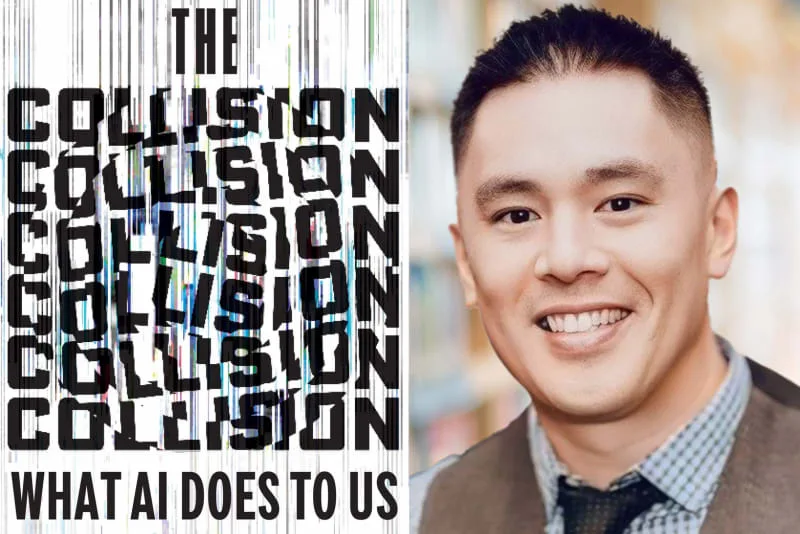
Eric So, az MIT Sloan School of Management professzora új könyvében a mesterséges intelligencia túlzott használatának veszélyeire hívja fel a figyelmet. Állítása szerint a gyors és kész válaszokra való támaszkodás kognitív sorvadást okoz, mivel megkerüli a gondolkodáshoz és a mély tanuláshoz elengedhetetlen szellemi erőfeszítést.
A professzor szerint az „AI-gravitáció” biológiai és társadalmi nyomása miatt az emberek a kényelmesebb utat választják, így elmarad a küzdelem, ami a tudás elmélyítéséhez kellene. Ráadásul az AI-modell felépítése és működése miatt sokszor túlzottan hízelgő és meggyőző, ami az emberi kapcsolatok minőségére és a kritikus gondolkodásra is negatívan hat.
A helyzet kezelésére 4 alapelvet fogalmaz meg: vállaljuk fel a szellemi kihívást, értékeljük a saját képességeinket eszközök nélkül is, fektessük be a felszabadult időt valódi fejlődésbe, és az AI-t ne válaszgépként, hanem személyes oktatóként használjuk.
Az eredeti szöveg (MIT News (daily.dev))
Images for download on the MIT News office website are made available to non-commercial entities, press and the general public under a Creative Commons Attribution Non-Commercial No Derivatives license. You may not alter the images provided, other than to crop them to size. A credit line must be used when reproducing images; if one is not provided below, credit the images to "MIT."
As artificial intelligence use becomes more widespread, scholars are working to understand its effects on the people who use it. MIT Professor Eric So offers one of the most complete syntheses yet, in his new book, “The Collision: What AI Does to Us,” published this month by W.W. Norton. Recognizing that AI offers opportunities to complete work faster, and in some cases has been turned into useful domain-specific tools, So nonetheless looks at the costs of relying on it too broadly. He contends that heavy use of AI can lead to a kind of cognitive atrophy, in which people fail to develop and retain essential thinking skills. In general, he says, evidence shows that our ability to learn gets dramatically better when we wrestle with material, work through initial failures, keep iterating, and in the process acquire better thinking skills while retaining more knowledge.
These conclusions are drawn from recent research by So and others, in academia and industry, including analysis from AI firms themselves, such as an Anthropic study showing that about half of queries from college students were low-effort queries for simple answers. So also weaves personal reflections into his narrative — having long studied financial markets and behavior, he is familiar with analyzing how new tools and information affect our decisions. MIT News talked to So, who is the Sloan Distinguished Professor of Global Economics and Behavioral Science in the MIT Sloan School of Management, about the book.
Q: What prompted you to write “The Collision”?
A: I wrote this book in response to patterns I was seeing in myself and other individuals. I open the book with this story where I was instinctively reaching for AI to help me think through problems I normally would have handled myself. A colleague had reached out for assistance and I had essentially taken her question and written half a sentence, then said, “ChatGPT, help me finish this professionally.” I made a few light edits and sent it off. And I sat back and really felt incredibly concerned about how I had removed my own thinking from the process.
I have found students are outsourcing their thinking to AI, rather than thinking through things themselves, turning to it to answer homework that would normally help them build mastery in a subject. We need to start understanding what this technology is doing to us and how it interacts with human cognition and our psychology, and give people some practical insights.
Q: Part of that means understanding the incentives people have to use AI, or how the allure of AI takes hold, even when there are long-term costs, in your view.
A: There are converging factors drawing us to AI. For example we have a real biological instinct to conserve our mental energy, and socially, we face situations where AI is used by other people to race ahead, and it rachets up the pressure on everyone else to use AI. Combine that with the problems detecting AI use in a practical way, and all these factors create what I call “AI gravity,” this constant pull to use AI. It’s not simply a matter of telling people to think for themselves. At this moment we’re in, AI is colliding with society.
Q: So we need to look at these systemic factors, not just individual decisions, when it comes to AI use, like businesses urging employees to use it.
A: Many organizations are not just suggesting use of AI: It is now the basis of your evaluation, meaning if you want a bonus or promotion, it is incumbent upon you to use these tools. I think a subtle process is taking hold in academia, where people say, “My future employer wil