A Krea részletes tesztben hasonlította össze a platformján elérhető két új videómodellt, a Seedance 2.5-öt és a MiniMax H3 Maxot. A Krea tesztjei során mindkét eszköz képes volt a pontos szájszinkronra a megadott szövegek alapján, a vizuális stílusban és a mozgási utasítások követésében viszont eltérések mutatkoztak.
A Seedance 2.5 jobban követte a konkrét mozgási és kamerairányokat, moziszerűbb látványt nyújtott, és akár 30 másodperces snitteket is tud generálni egyetlen menetben, legfeljebb 50 referenciatartalom felhasználásával. Ezzel szemben a MiniMax H3 Max dokumentaristább képi világot hozott létre, a hossza legfeljebb 15 másodperc lehet, a referenciafájlok száma pedig 15-ben lett korlátozva.
A két modell közötti legjelentősebb eltérés az árban van: a MiniMax H3 Max generálási költsége a tesztek alapján negyede a Seedance 2.5-nek. A Krea mindkét modellt elérhetővé tette a saját videós munkaterületén.
A videók egymás mellett
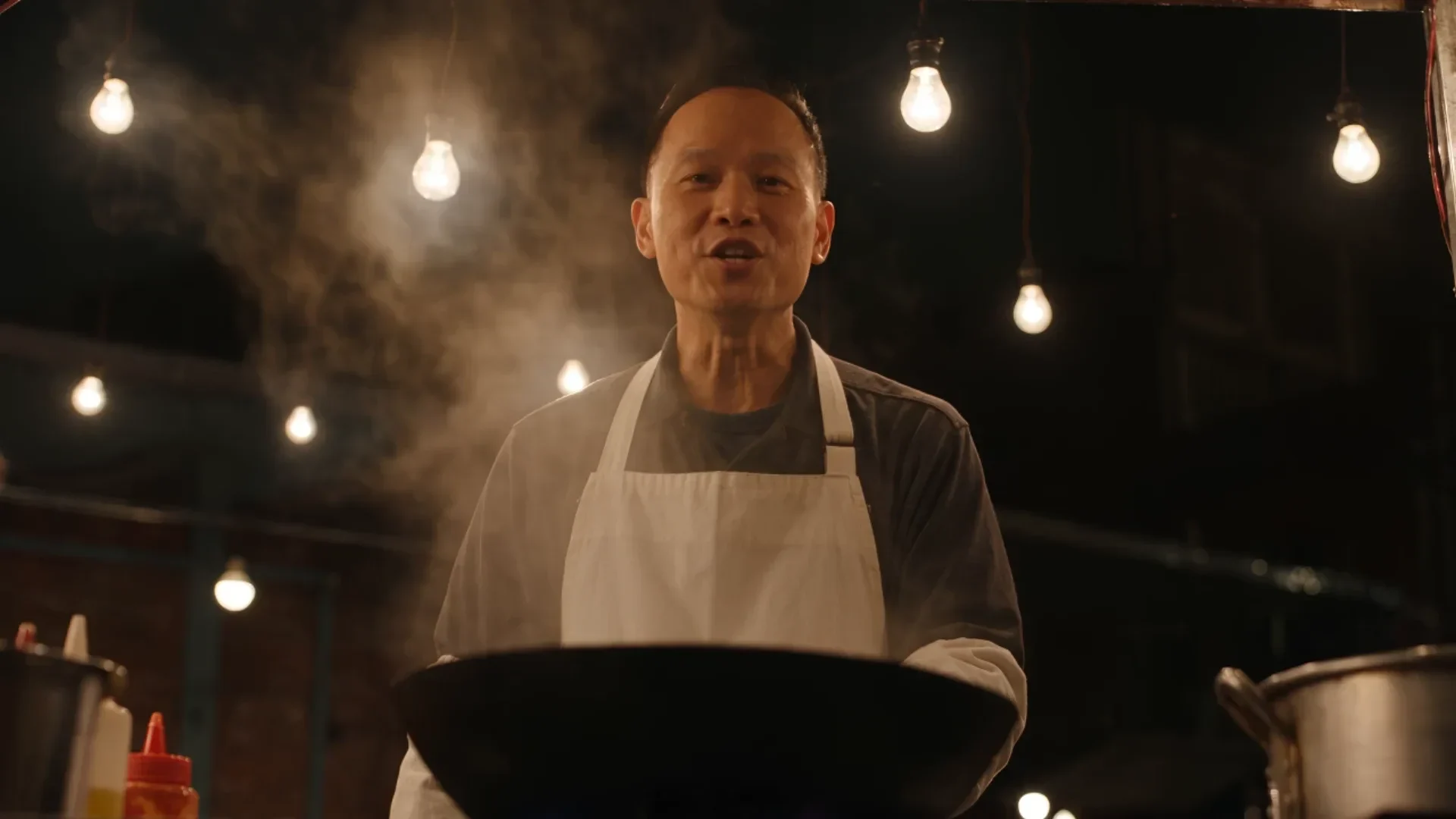
1. teszt: beszéd a kamerába, utána lángoló wok
Mindkét modell pontosan kimondta a szöveget. A Seedance 2.5 moziszerűbb, portrészerű képet adott, de a lángok kimaradtak belőle. A MiniMax H3 Max tágabb, dokumentarista képet adott a teljes standdal, a láng csak a végén, kicsiben jelenik meg.
Seedance 2.5MiniMax H3 Max
2. teszt: irányított mozgás, gördeszkás ugrás a lépcső fölött
A Seedance 2.5 tartotta a megadott, balról jobbra haladó útvonalat, de a túl alacsony kamera miatt a gördeszkás feje egy időre kilóg a képből. A MiniMax H3 Max tiszta trükköt hozott, csak nem a kért irányba: a gördeszkás a kamera felé ugrat le a lépcsőn.
Seedance 2.5MiniMax H3 Max
Az eredeti szöveg (Krea)
Seedance 2.5 and MiniMax H3 are two of the newest reference-driven video models on Krea. Both take a start and end frame, accept image, video and audio references, and generate audio in the same pass. Where they split is length, reference capacity and price: Seedance 2.5 runs one take up to 30 seconds with up to 50 references, while the H3 family stops at 15 seconds with up to 15 references but costs far less per second, especially H3 Max.
In our matched tests, both models spoke a scripted line word for word. Seedance 2.5 followed a directional action prompt that H3 Max did not, and gave the more cinematic speaking shot. H3 Max gave a busier, documentary-style frame at a fraction of the cost.
In October 2026 we ran the same two prompts through Seedance 2.5 (720p) and MiniMax H3 Max (768p) on Krea, at 8 seconds, 16:9, with the same seed. We switched prompt rewriting off on both models (Seedance prompt enhancement off, H3 Max prompt expansion set to disabled), so each model saw exactly the prompt below. Each prompt ran once, so treat the results as a snapshot, not a benchmark: any video model varies from run to run.
We checked dialogue by transcribing each clip with Whisper, and measured the loudness of each delivered audio mix with ffmpeg. H3 caps at 15 seconds, so our 20-second one-take test only appears in the Seedance 2.5 vs Wan 3.0 comparison.
Compute-unit (CU) figures are approximate and come from Krea’s billing rates. The generate button in Krea always shows the exact cost before you commit.
Generate up to 30 seconds in one take, with native audio and up to 50 references.
The first prompt asks for a scripted line to camera, then a physical beat with fire:
Both models got the dialogue right. Whisper transcribed both clips as “30 years, same pan, same recipe,” with no dropped or invented words.
Seedance 2.5 reads the prompt as a portrait. The camera sits low behind the wok, the vendor looks straight down the lens, and the background falls away into hanging bulbs and drifting steam. It is the more cinematic frame of the two. It also skips the fire: the shot ends on a big noodle toss toward camera, but no flames rise from the wok.
H3 Max reads the same prompt as documentary coverage. It frames the whole stall, with signage, other vendors, scooters and customers behind him. The vendor mostly looks down at his work rather than into the lens, and the fire arrives as a small flame at the very end rather than the high toss the prompt describes.
On audio, the Seedance mix measured -23.4 LUFS against -25.2 LUFS for H3 Max, close enough that neither is meaningfully louder. Seedance’s clip took 3 minutes 57 seconds to render on Krea.
Verdict: Seedance 2.5, on look and direct address. Neither model fully delivered the fire beat, and if you want a busy, lived-in establishing frame, H3 Max’s take is arguably the more useful one.
The second prompt tests motion that has to travel in a specific direction, a weak spot for most video models:
Seedance 2.5 kept the geography. The rider enters from frame-left, ollies across the stairs, lands with a puff of dust and grit, and rides out to frame-right, all in low golden-hour sun. The flaw is framing: the camera sits so low that the rider’s head and upper body leave the top of the frame for part of the clip.
H3 Max landed a clean trick in good golden-hour light, but not the one we described. The rider starts at the top of the stairs, comes toward the camera, ollies down the set and rides toward the lens. It is a perfectly usable skate shot, just not this prompt.
Loudness: -19.9 LUFS for Seedance and -22.7 LUFS for H3 Max. Seedance rendered in 4 minutes 24 seconds.
Verdict: Seedance 2.5. When a shot has to move a subject from one side of the frame to the other, Seedance followed the direction and H3 Max didn’t. If you only need “a skater does a trick,” either model gets there.
Seedance 2.5 accepts any duration from 4 to 30 seconds. Every H3 variant accepts 5 to 15 seconds.
That gap
Kérdezz a hírektől!Az elmúlt napok quicknews-híreiből válaszolok, forrással.
A kérdésedre a mesterséges intelligencia a quicknews.hu hírei alapján válaszol, és tévedhet. A kérdést a Google Gemini dolgozza fel. Ne írj bele személyes adatot. Részletek
Az oldal magától nem használ sütit. A hozzájárulásoddal a látogatottságot a Google Analytics, a Facebook-hirdetéseink eredményét a Meta pixel méri. Részletek