Vissza a hírekhez
Nyílt forráskódú AI-projektből gyűlt össze több mint 3000 a Hacktoberfesten
Idén a nyílt súlyú AI-modellekre és a helyben futtatható fejlesztésekre fókuszál a hónap végéig tartó nemzetközi Hacktoberfest.
0
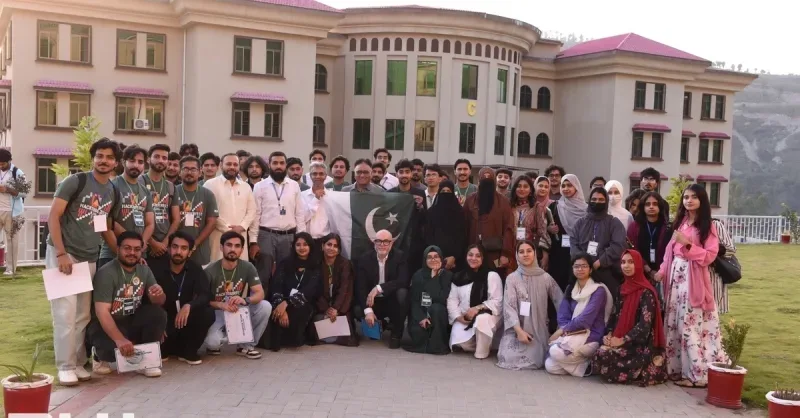
A korábbi pólógyűjtő pull requestek helyett idén a nyílt forráskódú és nyílt súlyú AI-modellek használata, módosítása és helyi futtatása áll a Hacktoberfest középpontjában. A szervezők eredetileg 300 személyes találkozót terveztek, de végül több mint 60 országban több mint 500 eseményt szerveztek meg.
Az esemény első hetében több mint 3000 AI-projektet nyújtottak be a résztvevők. A projektek között szerepel többek között helyben futtatott kórházi vállalatirányítási rendszer és látássérülteket segítő multimodális eszköz is. A rendezvénysorozat október 31-ig tart.
Az eredeti szöveg (DEV (daily.dev))
Every October for the past twelve years, developers around the world have taken part in Hacktoberfest, a month-long celebration of open-source software: code that anyone can use, inspect, and improve. For most of that history, the rules were simple: Contribute a set number of pull requests and earn a T-shirt. Thousands of people made their first contribution to open source because of Hacktoberfest.
This year, we changed the format. Hacktoberfest 2026 is focused on open-weight models and open-source artificial intelligence: models and tools that anyone can download, run and modify. Participants are learning how these systems work, building their own AI tooling, and adapting existing open models for new uses.
When we announced this year’s theme in August, we had hoped to support 300 in-person gatherings. There are now more than 500 Fests planned in over 60 countries, ranging from university hackathons to small groups of developers meeting at their local library or office. In the first week alone, participants in-person and online submitted more than 3,000 projects.
On Oct. 1, the first day of the event, students at COMSATS University in Abbottabad, Pakistan, gathered for a Hack Day. By evening, they had built a locally hosted hospital-management platform, a multimodal companion for visually impaired users, and a tool that helps newcomers make their first open-source contribution. The group photo they sent us afterward says more than any statistic I could share: a group of people who chose to spend their day learning to build something together.
For many people, AI is something experienced alone: typing into a chat window, using a tool built by someone else and governed by someone else's pricing and policies. What I'm seeing this month is a clear appetite for something different. People want to sit next to each other, run a model on their own machine, take it apart, and understand how it works.
That is why we built this year's Hacktoberfest around open innovation. Open source has always worked because nobody owns the tools. Anyone can look under the hood, and anyone can pull up a chair. We believe AI should work the same way: shaped by people building in public in India and Ireland, Peru and the Philippines, all over the world.
Hacktoberfest runs through Oct. 31. When it ends, I don’t expect its impact to be measured solely in code. It will show up in mentorships that started at a folding table, in local tech communities meeting for the first time, and in people who walked in unsure what an AI model was and walked out having built something with one.
Templates let you quickly answer FAQs or store snippets for re-use.
3000 projects in a weekend is impressive volume, but the real signal is in the maintenance health. When I scan lists like this, I immediately filter for: recent commits (last 30 days), issue response time, and whether the README actually explains how to run it locally vs just showing a hosted demo.
A lot of "AI projects" are really just thin wrappers around an API call — useful for learning, not for production. The ones worth starring usually have a test suite, a contributing guide, and at least one non-trivial dependency that isn't just openai or langchain.
Curious how you handled deduplication — same repo submitted under different names, forks masquerading as originals, that sort of thing. That's usually where the manual review time goes PS: the tool I meant is on labagent .tech
Đọc xong nhớ ra những năm đầu tham gia Hacktoberfest — lúc đó còn phải tự mò tìm repo qua topic "good-first-issue", hôm nay đã có sẵn danh sách curate sẵn 3k project AI thì đỡ mất thời gian lọc rác đáng kể.
Thực tế bên team mình năm ngoái thử adopt 2-3 repo từ list dạng này, lesson learned: đừng chỉ sort by star. Nhiều repo AI có star cao vì demo đẹp, nhưng issue backlog đầy bug data pipeline, thiếu test, CI/CD chết chóc. Ưu tiên repo có contributing guide rõ ràng, maintainer còn active respond issue trong 48h, và quan trọng nhấ