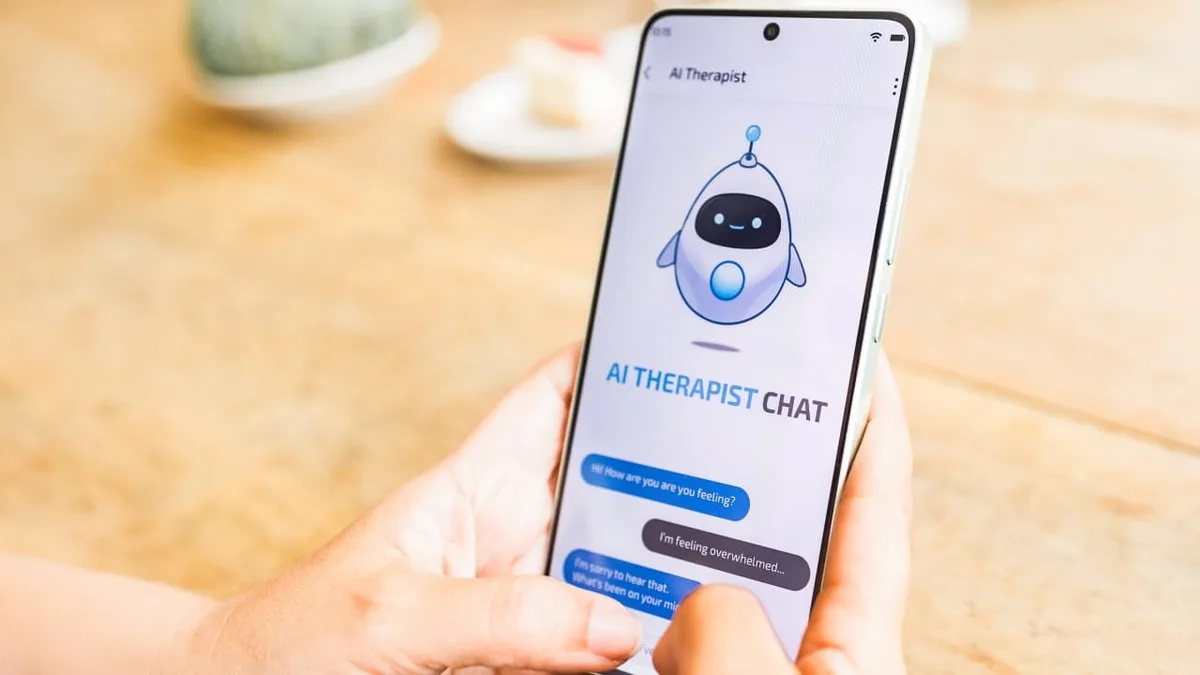
A Tel Hai Egyetem kutatói 584 felnőtt bevonásával vizsgálták a mesterséges intelligencia használatát a lelki támogatás keresésében, amelyről a Cyberpsychology, Behavior, and Social Networking folyóiratban megjelent tanulmány számolt be. Az eredmények alapján a ChatGPT-t vagy Geminit használók csaknem egyharmada kért már tanácsot vagy segítséget a chatbotoktól érzelmi problémákra.
A súlyos pszichológiai stresszt megélő válaszadók körében ez az arány érte el a 47 százalékot. A kutatást vezető Dr. Dorit Hadar Shoval kiemelte, hogy a generatív AI-rendszerek ugyan azonnali és ítélkezésmentes válaszokat adnak, de nincsenek felkészítve a klinikai krízisek kezelésére és a szakértői segítségnyújtásra.
A vizsgálat nem tudta megállapítani, hogy a chatbotokkal való beszélgetés hosszú távon segít-e, vagy inkább késlelteti a szakszerű segítségigénylést, ezért a szakemberek további kutatásokat és szigorúbb klinikai szempontú odafigyelést sürgetnek.
Az eredeti szöveg (The Jerusalem Post)
Punsters joke that sausages containing baking soda simultaneously cause and cure heartburn: a self-contained, problem-solving food.
When it comes to Generative AI, however, the dynamic may be the exact opposite: a technology that promises comfort while potentially worsening the very isolation it aims to soothe.
AI might act as a digital “bandage” that ultimately deepens emotional isolation or an antidote that secretly fuels distress, according to a new study by Tel Hai University of the Galilee in Kiryat Shmona.
The researchers revealed that among Israeli users experiencing severe psychological distress, nearly half of them turn to generative AI for emotional support, thus raising urgent questions about the risks of leaning on artificial intelligence during moments of acute vulnerability.
While generative AI (GenAI) systems like ChatGPT and Gemini are primarily built to draft emails, write code, or create artwork, their natural, conversational interface makes them deceptively human-like. But relying on these algorithms for mental-health support carries substantial risks.
Beyond well-documented issues like fabricated information, privacy concerns, and deepfakes, AI lacks genuine empathy, clinical boundary awareness, and crisis-intervention capabilities, leaving vulnerable users at risk when they need real human help the most.
Thus, GenAI could be a self-reinforcing or paradoxical dynamic, a loop in which actions taken to solve a problem or achieve a goal feed right back into making that same problem or goal harder to reach.
The new study, titled “AI-mediated mental health support: The role of attachment orientation and psychological distress,” has just been published in the peer-reviewed academic journal Cyberpsychology, Behavior, and Social Networking.
Led by Tel Hai’s Dr. Dorit Hadar Shoval of the School of Psychology, together with Elad Refoua of Bar-Ilan University (BIU) in Ramat Gan, the team surveyed 584 Israeli adults aged 18 to 70 who had used a general-purpose generative AI tool such as ChatGPT at least once in the previous year.
They found that almost one in three of those surveyed who use GenAI tools reported seeking emotional support, coping advice, or mental-health assistance from platforms such as ChatGPT and Gemini. Among users experiencing severe psychological distress, that figure rose to nearly one in two.
The study delved into how attachment styles and psychological distress relate to the use of general-purpose GenAI for emotional support.
Participants were recruited in November 2025 through an online panel, and the figures describe this sample of AI users rather than the general population, so it was not representative of all Israelis, Hadar Shoval stressed.
Overall, 29.3% reported using AI at least once for emotional support, coping advice, or mental health-related assistance. Among participants with severe levels of psychological distress, 47% reported such use.
The findings suggest that emotional distress is the psychological variable most strongly associated with turning to AI for support. Younger participants and women were also much more likely to report using AI for mental health-related purposes than older people and men.
“Our findings show that many people, particularly those experiencing significant distress, are turning to generative AI systems for emotional support and guidance,” Hadar Shoval told The Jerusalem Post in an interview.
“These tools offer immediate, accessible, and nonjudgmental interactions, but they were not designed to function as mental-health providers. The high level of use among distressed individuals highlights the urgent need to better understand both the possible benefits and the potential risks of relying on AI during periods of emotional vulnerability.”
She said that they were not talking about mental illness but emotional stress. “It was rated as ‘severe’ in 66 people, and 119 were ‘medium.’ Of the 66, a total of 47% said they had been consulting with AI