Az OpenAI a fejlesztői napján mutatta be a dots nevű személyi asszisztensét, amely a háttérben folyamatosan futva igyekszik előre gondolkodni a felhasználó helyett. Az eszköz alapját a cég korábbi kódoló modelljei adták, de új felületet és megközelítést kapott. Egyetlen folyamatos beszélgetésként működik, így a felhasználónak nem kell folyamatosan új promptokkal indítania a feladatokat.
A rendszer képes összekapcsolódni a naptárral, e-mailekkel és a számítógép más eszközeivel, hogy figyelmeztesse a felhasználót a közeledő határidőkre vagy naptári ütközésekre. A funkció része az úgynevezett proaktív kutatás, amellyel az asszisztens saját maga javasol lépéseket a korábbi beszélgetések és a megadott hozzáférések alapján.
Az új szolgáltatás a ChatGPT azonos nevű asztali és mobilalkalmazásaiban érhető el. Használatához legalább a Pro szintű előfizetés szükséges, amelynek díja havi 100 dollártól indul. Az adatvédelmi beállítások megegyeznek a ChatGPT alapértelmezett opcióival.
Az eredeti szöveg (TechCrunch AI)
Buy One Founder Summit Ticket, Get a Second for Free. Register now.
Disrupt doors open Oct. 13. Get your pass and bring someone with you at 50% off. REGISTER NOW.
The always-on AI personal assistant, which keeps working in the background even when you aren’t asking it to, is this year’s answer to the question of how people will actually use deep learning models. The startup Instinct became an overnight sensation, and Meta put the full force of its marketing behind its assistant, Muse.
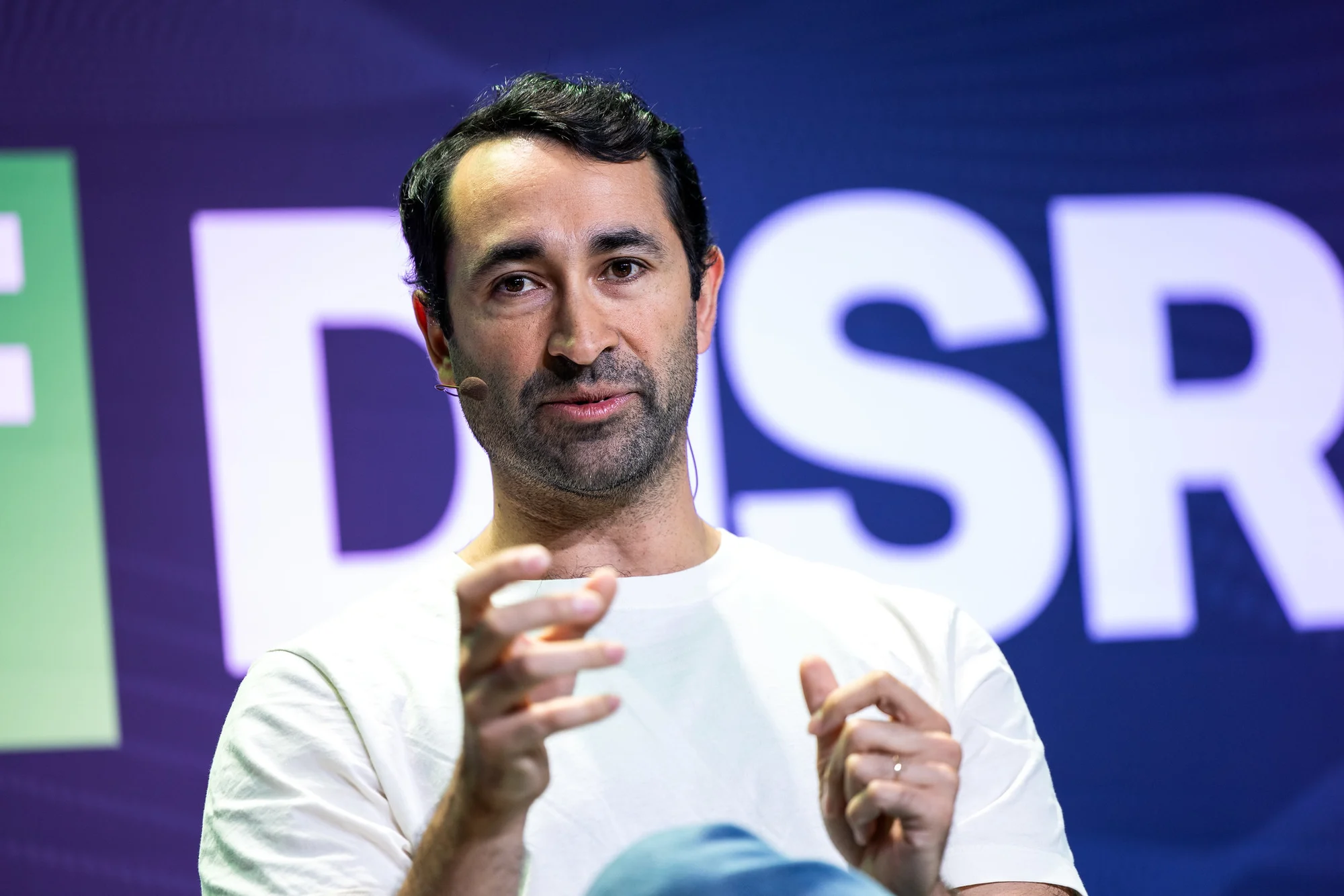
OpenAI wasn’t going to be left out. The company released dots, its assistant offering, at its developer day in late September. Alexander Embiricos, who leads OpenAI’s enterprise product team, joined us at TechCrunch Disrupt this month to explain where the product came from—starting with the question of why so many companies seem to be turning to cutesy mascots as avatars for their trillion-parameter matrix multiplication machines.
“There’s kind of this convergent evolution happening,” Embiricos said of the efforts to build AI assistants. “As we were working on the product, we realized if we could frame this as, it’s an entity and it’s a single conversation, not many different conversations….it starts to become intuitive.”
The assistant is available in the ChatGPT desktop and mobile apps to subscribers on the Pro tier or higher, with plans starting at $100 a month. Once it is connected to your calendar, email, computer and other tools, the agent tries to help you get your work done.
Embiricos points out that you could achieve much of dots’ functionality with Open AI’s Codex app, its coding tool, released at the beginning of this year. But that requires more work and hand-holding. He recalled celebrating when his wife started leaving her computer on all night so that her agents could keep working.
“On the product team, what I think about is, how do we make this intuitive and useful to people?” he told Disrupt attendees. “A lot of that isn’t building some new piece of tech into the product; it’s how you frame it to the user and how it feels.”
Making the technology feel intuitive meant repackaging the functionality of the company’s models into something more accessible, a path it was already on as it spun ChatGPT Work out of the agentic coding tools it had built for software engineers. Even the name—a play on the negative space inside of OpenAI’s logo—is intended “to feel like just something that could eventually be ubiquitous.” (Asked when he learned that rival AI entrepreneur Elon Musk owns the dot.com URL, Embiricos said, “I found out very late.”)
The idea of a persistent agent is that it doesn’t need prompting. For OpenAI, means more token usage, and for users, a more pro-active assistant “that’s sort of thinking about you and thinking how to help you,” as Embiricos put it.
In our testing, the assistant’s ability to think ahead is apparent and often useful, but it isn’t quite there yet. It will flag calendar conflicts and upcoming deadlines, but not necessarily in the most timely fashion.
“The first time it told me about one of those [conflicts]—this is like early in development—it told me three minutes before the thing,” Embiricos says of his dot. “It’s like, ‘Hey, this thing is coming up. You might want to do something about it.’ I only have three minutes!”
Embiricos expects the timing to improve over time, but the proactive approach is key to the product. “I was hearing about an engineer at a drone delivery startup, and they were saying, ‘We had this outage, and by the time I noticed that the outage was going on, my dot had already noticed the outage was happening, had already analyzed the outage, and had come to me with useful information for how we could resolve the outage.’”
As with most AI agent use cases, there’s a tension between the personal information an AI model needs to be useful and exactly how much personal data you are exposing to a software company. Muse has been criticized for the profiles it builds of your family