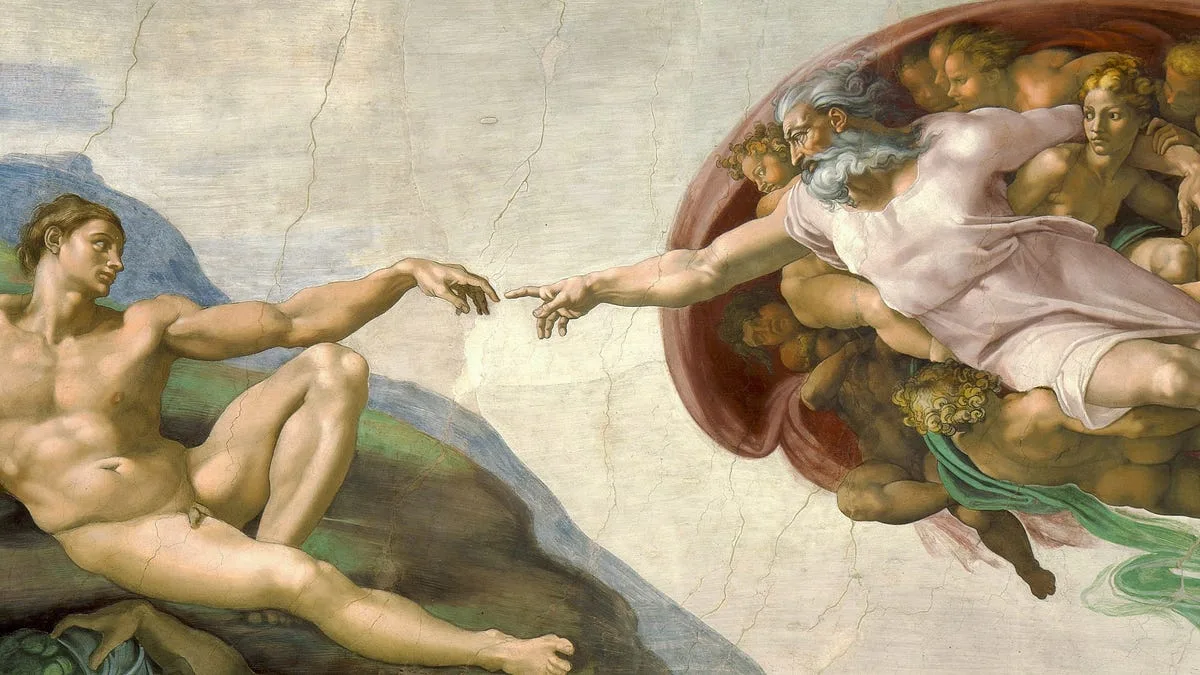
Ruxandra Teslo elemzésében bemutatja a Szilícium-völgy AI-fejlesztői között terjedő „handoverism” gondolatkísérletet. Ennek lényege, hogy az emberiség fokozatosan átadja a társadalom irányítását és jövőjének alakítását egy jóindulatú szuperintelligens AI rendszernek. A megkérdezett fejlesztők közül sokan ezt az egyetlen reális és biztonságos kiútnak tartják az emberiség lehetséges kihalásával szemben.
A cikk elemzi, hogy a megközelítés a gyakorlatban az emberi önrendelkezés, a munka és a demokrácia teljes háttérbe szorulását jelentheti. Bár a fejlesztők többsége jószándékból tekint megoldásként a technológiára, a jövőkép a kritikusok szerint inkább egy kényelmesen fenntartott társadalmi disztópiára hasonlít. Teslo hangsúlyozza, hogy a diskurzusba a szélesebb társadalomnak is minél előbb be kell kapcsolódnia.
Az elemzés szerint a mesterséges intelligencia fejlesztése során a rekurzív önfejlesztés (RSI) elérkezése alapjaiban változtathatja meg a hatalmi struktúrákat. A cikk célja, hogy felhívja a figyelmet a technológiai elit jövőképének társadalmi következményeire.
Az eredeti szöveg (Ruxandra's Substack)
“It’s not my preferred outcome,” he told me, “but once we achieve superintelligence, which we cannot stop at this point, I cannot see any other option for where humanity will go.” The outcome he was referring to is the permanent disempowerment of humanity, as we shall all be ruled by a (hopefully benevolent) AI God. It was said surprisingly casually, the way one states a banal fact about tides. Then, after a pause, he added: “It is still much better than what I actually fear most, which is that we might all die.”
What made the remark quite striking is that it came not from a doomsayer on the fringes, someone who is inherently opposed to the technology. I have become used to hearing pessimistic arguments about AI from this group of people. Instead, this was said by someone who is actually building it in one of the big AI labs. He sounded resigned, as if the question of what humans would be for (apparently not much?) had already been settled somewhere else and by someone else. All that remains, it seems, is to wait for this pre-destined fate to unfold before our eyes.
Ruxandra's Substack is a reader-supported publication. To receive new posts and support my work, consider becoming a free or paid subscriber.
I moved to San Francisco only three weeks ago. This is on the eve, as I understand it, of the singularity. In this short time, I have already learned that this type of thinking is not unusual: indeed, yielding control over humanity to a benevolent AI is seen by many as one of the better outcomes.
This matters because the singularity now said to be upon us looks like the real thing. What sets it apart is the prospect of “recursive self-improvement”, or RSI: AI systems that learn to improve themselves, each generation building the next, until they become a superintelligence beyond human control. The prospect of RSI is discussed in many circles as perhaps only a few months away. Some give it less. One scarcely has time to furnish a flat, or, for that matter, to find one.
One might have thought that, while we still retained some authority over the way this technology was progressing, we would have formed a reasonably definite idea of what we wanted these machines to do for us. And, given the immense risks of which its own makers warn us, including the plausible extinction of the human species, one might have expected a clearer account of the positive future we are being asked to risk so much to reach.
The worst scenarios are plainly bleak: all of us, or vast numbers of us, die. But what is striking to me is how little reassurance even some of the happiest scenarios offer. One common and ostensibly optimistic vision is known as “handover”: humanity cedes control of its future to a godlike AI and we become the comfortably maintained inhabitants of a civilisation whose direction is no longer ours to decide. It is difficult to see what democracy would mean in such a world, or where the consent of most of humanity to the instantiation of such a regime enters the picture.
The permanent displacement of human labour is treated almost as a given. At the same time, there is scarcely any satisfying answer to the question of how we might remain useful to one another. Even our relationships seem uncertain. The promised utopia looks to me much closer to a kind of dystopia.
I do not know whether the handoverist vision will come to pass. That the people building this technology consider it plausible, and often desirable, guarantees nothing: proximity to a technology does not correlate that well with predicting its impact on society. But they are the ones closest to it, and what they say deserves to be at least taken seriously. The rest of society, including some very intelligent people, has been far too quick to wave these scenarios away and not even get involved in the debate. Whether or not the belief is correct, it is sincerely held, and it is not “marketing hype.” I am writing this because I think it is high time that more people, in