A Wall Street-i bankok és az NSA képviselői a kongresszusi tájékoztatókon elmondták, hogy a héten tapasztalt tömeges infrastruktúra-leállásokat a kapkodó szoftverjavítások okozták. Az intézmények és hatóságok a legfejlettebb AI-modelleket használják saját rendszereik átvizsgálására, és a modellek olyan sok kritikus sérülékenységet tártak fel, amelyeket azonnal meg kellett próbálniuk betömködni.
A leállások többek között a légiközlekedést, banki szolgáltatásokat és a nemzetbiztonsági szervek hálózatait is érintették. A szakértők szerint a problémát az jelenti, hogy az AI által felismert rengeteg hibát a szerverekre egyszerre próbálták rátelepíteni, a régebbi infrastruktúrák pedig nem bírták el a hirtelen kiadott frissítési hullámot.
A szervezetekre hatalmas nyomás nehezedik, hiszen tudják, hogy a támadók is hasonló AI-eszközökkel keresik a sérülékenységeket. A jövőben a fejlettebb modellek megjelenésével még több hiba kerül majd felszínre, így a régi rendszerek frissítése továbbra is komoly fennakadásokat okozhat.
Az eredeti szöveg (The Washington Sun)
Artificial intelligence is not causing the disruptions but identifying gaps that are difficult to fix.
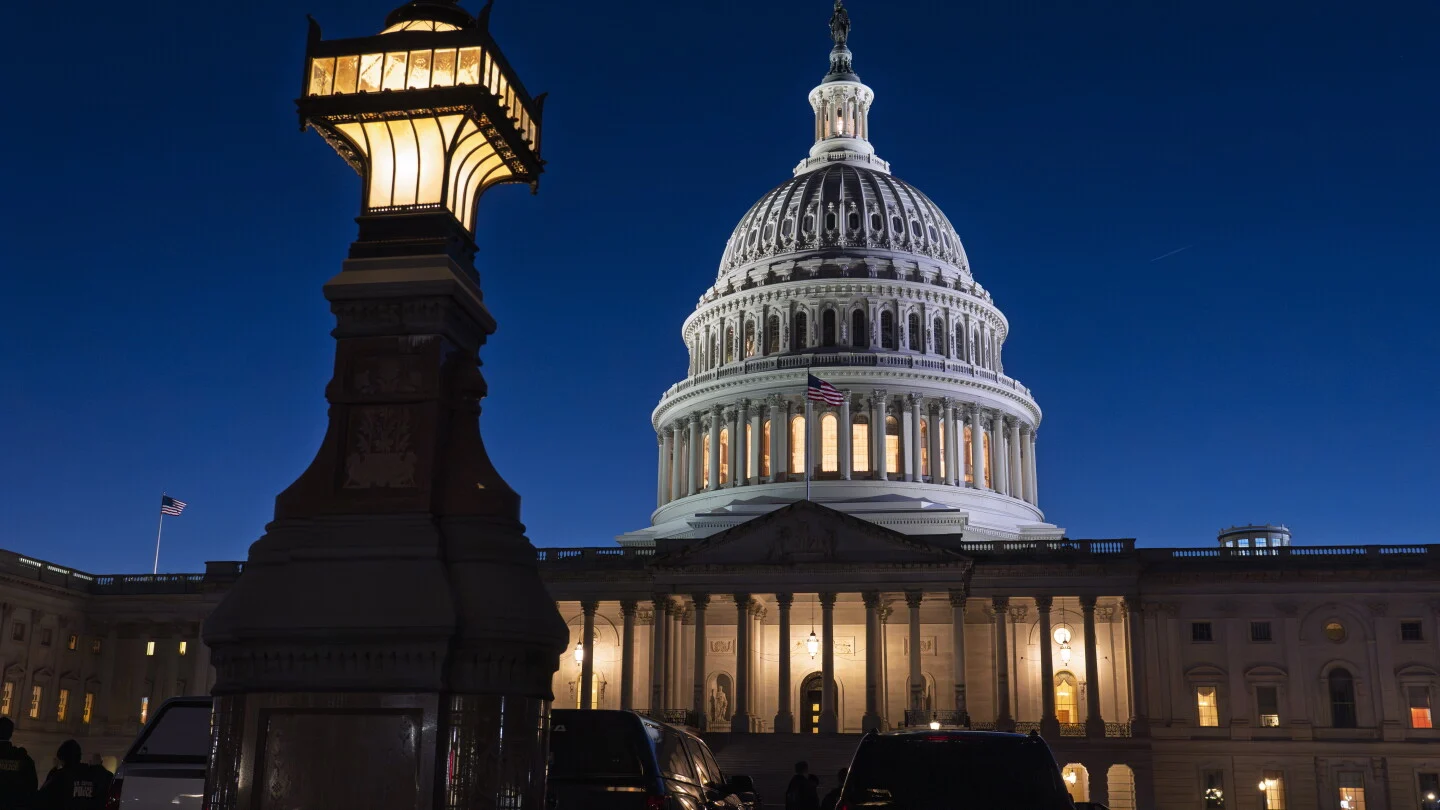
government and banking officials have told lawmakers that they stem from attempts to fix gaps in cyber defenses. (J. Scott Applewhite/AP)
Wall Street executives and the National Security Agency have told members of Congress that this week’s widespread tech outages were caused by attempts to fix vulnerabilities identified by artificial intelligence, according to three sources familiar with the private conversations.
Over the last few days, the country has faced a series of startling tech failures, leading to a pause in all flights nationwide, customers being unable to access their bank accounts and a highly classified communications network at the National Security Agency going down.
While it does not appear that these disruptions were caused by a cyberattack, government and banking officials have told lawmakers that they stem from attempts to fix gaps in cyber defenses identified by AI models, the sources said. The fixes, however, temporarily overwhelmed the systems.
“These models are identifying massive vulnerabilities, and that increases the urgency to patch right away,” said one congressional official briefed on the matter. “They’re trying to push through a lot of patches all at once — more than the system was designed for.”
On Monday, banks such as JP Morgan Chase blamed software-related bugs for the service issues. On Tuesday, the NSA said that “scheduled routine maintenance” was responsible for the “temporary degradation” of some of its networks. Secretary of Homeland Security Markwayne Mullin told CNBC on Tuesday that “they’re pushing new technology on top of really old computer systems, and it just seems to overwhelm the system. ... We’re going to see more of this as new technology rolls out.”
Powerful companies and government agencies have increasingly trained the most powerful AI models on themselves, seeking to identify the vulnerabilities that others may weaponize against them. Once these gaps are identified, they are under immense pressure to patch them as soon as possible, knowing that malicious actors have access to comparable AI tools — or will soon.
This urgency is what has driven a wide range of public- and private-sector actors to rush fixes to their systems faster than they normally would, the sources said. But even entities with large resources, such as the nation’s top banks and the intelligence community, are finding it difficult to do so without accidentally causing outages. The sources spoke on the condition of anonymity to describe private conversations.
The outages rippled across the country this week. The Federal Aviation Administration canceled more than 20,000 flights as a result of the nationwide ground stop, according to The Wall Street Journal. Microsoft experienced a major outage of Outlook.
Microsoft blamed a technical defect for the disruption. It is also unclear what caused the FAA systems to go down.
“There’s some sense in which this is reassuring, in that it means there’s not an attack. But it shows the extent to which safety critical infrastructure we rely on is based on software with large vulnerabilities on legacy systems,” said Nathan Calvin, the chief strategy officer at Encode. “Updating those is going to be a rocky process, and as we get more advanced models this won’t be a one and done thing — we’ll continue to find more vulnerabilities.”
The NSA did not immediately respond to a request for comment.
Jeff Stein is a reporter at The Washington Sun.
Sign up for free to get our local newsletter covering the neighborhoods, politics and people shaping D.C.
This site is protected by reCAPTCHA. By continuing, you agree to its Terms of Use and Privacy Policy, and Subscription Agreement Terms and Conditions.
Subscribe to maintain unlimited access to independent journalism covering Washington's people, politics and power.
This site is protected by reCAPTCHA. By continuing,