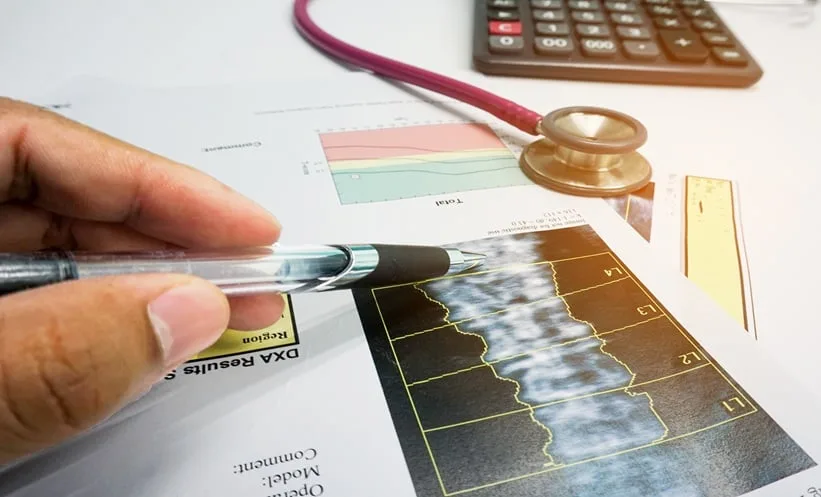
Az AI segíti az ultrahangos diagnosztikát, de az orvosi felügyelet elengedhetetlen
Az ACR 2026-os kongresszusán bemutatott kutatások szerint a mélytanuló rendszerek hatékonyan támogatják a reumatológiai ultrahangos elemzéseket.
Pontszám (tetszik mínusz nem tetszik): 0
Az American College of Rheumatology 2026-os éves találkozóján bemutatott vizsgálat szerint egy új mélytanuló platform automatizálja a gyulladásos ízületi gyulladás jeleinek és a csontos elváltozásoknak a felismerését az ultrahangfelvételeken. A rendszer segít megkülönböztetni a gyulladásos és a degeneratív ízületi eltéréseket, így reprodukálhatóbbá teszi az értékelést a mindennapi klinikai gyakorlatban.
Egy kapcsolódó kutatás a széles körben elérhető generatív AI-modellek orvosi döntéshozatali képességeit vizsgálta a hivatalos kezelési útmutatók tükrében. Az eredmények rávilágítottak, hogy a nagy nyelvi modellek még jelentős hibaszázalékkal működnek és elavult tanácsokat adhatnak, ezért önálló orvosi döntéshozatalra nem alkalmasak.
Az oktatási tapasztalatok azt mutatják, hogy a szakembereknek meg kell tanulniuk felismerni az algoritmusok torzításait és korlátait. Az AI-rendszerek hatékony segítséget nyújtanak a diagnosztikában, de kizárólag a klinikus szigorú ellenőrzése és irányítása mellett használhatók biztonságosan.
Az eredeti szöveg (EMJ)
This site is intended for healthcare professionals
ARTIFICIAL intelligence strengthens clinical rheumatology care through automated ultrasound interpretation, targeted medical education, and decision support validation. Three separate investigations presented at ACR Convergence 2026, the annual meeting of the American College of Rheumatology, demonstrate how computational platforms can streamline inflammatory disease assessment while underscoring the critical necessity of clinician oversight.
Musculoskeletal ultrasound interpretation often demands specialized sonographic proficiency, creating substantial variability during routine disease monitoring. Investigators developed a deep learning platform designed to automate the detection of synovitis, power-Doppler signals, bone erosions, and osteophytes on sonographic scans. The system assists clinicians in distinguishing inflammatory arthritis from degenerative joint alterations, providing reproducible scoring metrics. Researchers noted that extensive multi-center validation across heterogeneous patient cohorts and diverse equipment remains essential before deploying automated imaging algorithms into daily clinical workflows.
As computational models enter diagnostic pathways, healthcare systems must train physicians to navigate their practical limitations. A multicenter pilot study evaluated a specialized curriculum across graduate and continuing medical education, teaching trainees how to recognize algorithmic bias and determine when automated outputs require independent clinical verification. Educational frameworks emphasize distinguishing administrative assistive tools from diagnostic systems that directly modify clinical management.
A companion study analyzed widely accessible generative platforms to evaluate their adherence to established professional treatment recommendations. While generative models generate persuasive medical narratives, researchers identified significant hallucination rates and outdated guidance, confirming that unvalidated language models cannot serve as autonomous clinical authorities.
Across diagnostic imaging, physician training, and clinical decision support, technological systems function most effectively as regulated collaborators rather than replacements for professional medical expertise. Clinicians highlight that preserving transparent reasoning, objective validation, and the central physician-patient relationship remains paramount as innovative platforms enter clinical practice.
Schlereth M et al. Development of a Deep Learning-Based Tool for Automated Assessment of Synovitis, Power-Doppler Activity, Erosions, and Osteophytes and Classification of Arthritis Using Ultrasound Imaging. ACR Convergence, November 6–11, 2026.
Each article is made available under the terms of the Creative Commons Attribution-Non Commercial 4.0 License.
Rate this content's potential impact on patient outcomes
No votes so far! Be the first to rate this content.
Kérdezz a hírektől!Az elmúlt napok quicknews-híreiből válaszolok, forrással.
A kérdésedre a mesterséges intelligencia a quicknews.hu hírei alapján válaszol, és tévedhet. A kérdést a Google Gemini dolgozza fel. Ne írj bele személyes adatot. Részletek
Az oldal magától nem használ sütit. A hozzájárulásoddal a látogatottságot a Google Analytics, a Facebook-hirdetéseink eredményét a Meta pixel méri. Részletek