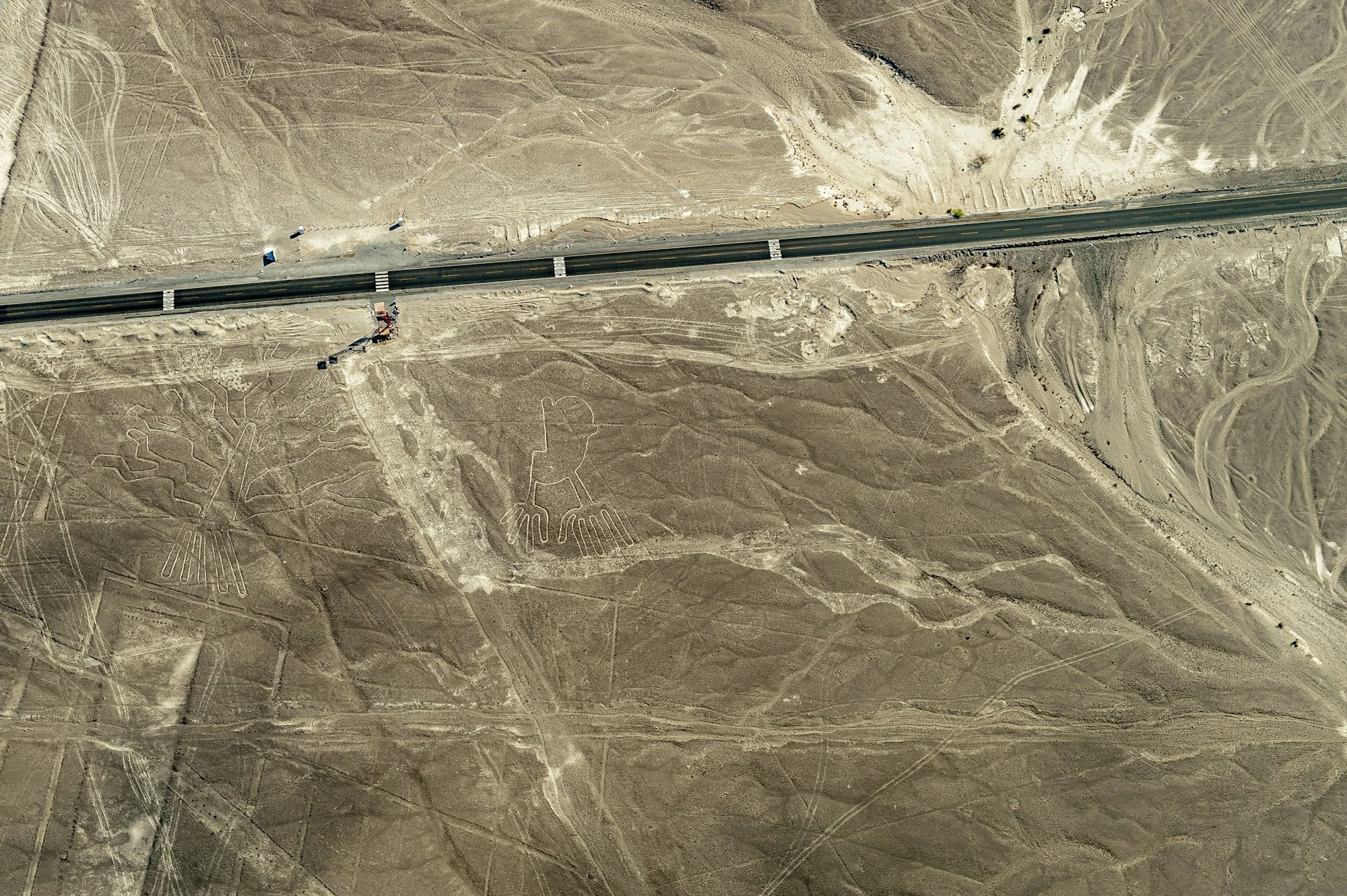
Egy kutatócsoport a mesterséges intelligencia segítségével 303 új geoglifát fedezett fel a híres perui Nazca-vonalak területén. A szakemberek nagy felbontású légi felvételeket és gépi tanulási algoritmusokat használtak a sivatagi felszín elemzéséhez, amelyek olyan mintázatokat és alakzatokat is azonosítottak, amelyeket a hagyományos régészeti módszerekkel szinte lehetetlen volt észrevenni.
Az algoritmusok betanítása után a rendszer pontosan megjelölte a lehetséges helyszíneket, amelyeket a kutatók ezt követően a terepen is ellenőriztek. A frissen feltárt rajzok között emberi és állati alakzatok, valamint az ókori közösségek rituáléihoz kapcsolódó ábrázolások egyaránt megtalálhatók. Sok ábra kifejezetten kicsi, így a talajszintről egyáltalán nem látható.
A kutatók szerint ez a felfedezés mintaként szolgál arra, hogyan gyorsíthatja fel az AI a régészeti kutatásokat, hatékonyabbá téve a korábban hozzáférhetetlen vagy elrejtett helyszínek feltérképezését.
Az eredeti szöveg (صوت الإمارات)
Lima, Peru – In a remarkable archaeological achievement, a team of researchers used artificial intelligence to discover 303 new geoglyphs in the Peruvian desert, within the famous Nazca Lines region. This area is one of the most mysterious and fascinating archaeological sites in the world. The discovery was the result of a collaboration between archaeologists and AI researchers. The team used image analysis and machine learning techniques to examine vast areas of desert land. They searched for shapes and drawings that are difficult to detect using traditional methods.
The researchers relied on the analysis of aerial photographs and high-resolution data. Artificial intelligence systems were trained to recognize unusual patterns and lines on the Earth’s surface. This helped pinpoint potential locations for previously unknown archaeological drawings. The technology’s role didn’t stop at location identification; the algorithms’ findings guided researchers to areas most likely to contain new drawings. This was done before conducting field investigations to confirm their archaeological nature. The discovered drawings reveal a remarkable diversity in themes and forms. They include human and animal figures, along with scenes related to the rituals and social practices of the ancient societies that inhabited the region.
Some of these drawings are characterized by their small size and the difficulty of seeing them from the ground. This made their discovery a major challenge for archaeologists before the advent of artificial intelligence, which can process massive amounts of images in a short time. The Nazca Lines hold exceptional historical significance. They date back to ancient civilizations that flourished in southern Peru and are spread across vast areas of the desert. They include geometric shapes and enormous drawings of various animals, birds, and other creatures. Their details are only clearly visible when viewed from high altitudes.
Researchers believe this discovery represents an important model for how artificial intelligence can be used in archaeology. This is achieved by accelerating surveys and explorations, and helping experts access sites that have remained hidden for decades. The discovery of these drawings also opens new avenues for understanding the nature of ancient Peruvian societies, their activities, and the cultural and ritual significance associated with these artworks carved into the desert surface. The discovery confirms that combining modern technology with traditional archaeological research can reconstruct the past. It also reveals the secrets of ancient civilizations whose traces have remained buried in the earth’s landscape for centuries.
Yemen and the Military Challenges Stemming from Iranian Interference
The U.S. Department of Justice and Upcoming Congressional Inquiries
The U.S. President and Nuclear Disarmament Talks
China and the Improvement of Trade Relations with the United…
To re-highlight the history of Alexander…